Ikat Weaving Technique: A Meaningful Cultural Heritage of the Archipelago
The ikat weaving technique is one of the traditional fabric-making methods rich in cultural and historical significance. This technique has become an integral part of Indonesia's cultural heritage and is used to create beautiful fabrics with distinctive patterns and motifs.
In this article, we will delve deeper into the ikat weaving technique, its production process, and its role in preserving local culture.
What is the Ikat Weaving Technique?
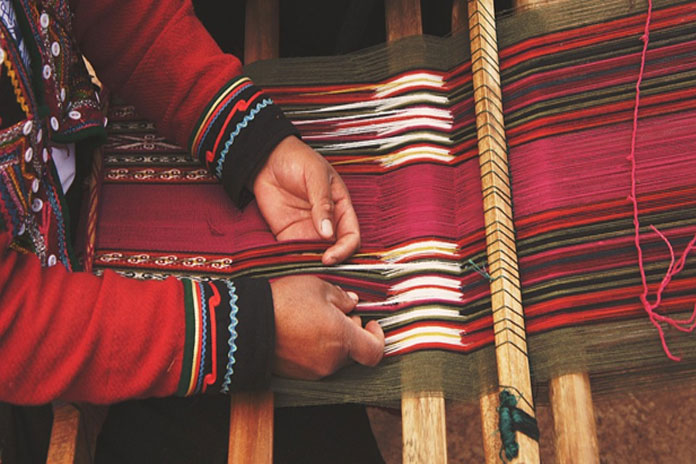
The ikat weaving technique is a fabric-making process that involves binding threads before weaving. The term "ikat" itself means "to bind," referring to the technique of tying threads to create specific patterns.
The bound threads are then dipped into natural or synthetic dyes. After the dyeing process is complete, the bound threads are released, leaving behind unique patterns.
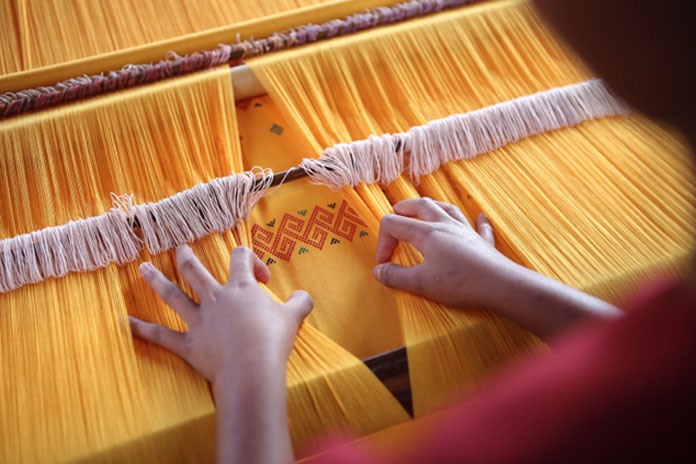
Ikat weaving is typically done manually using non-mechanical looms (ATBM). This technique requires high precision and skill, making each piece of fabric a highly valuable work of art.
Types of Ikat Weaving
- Warp Ikat
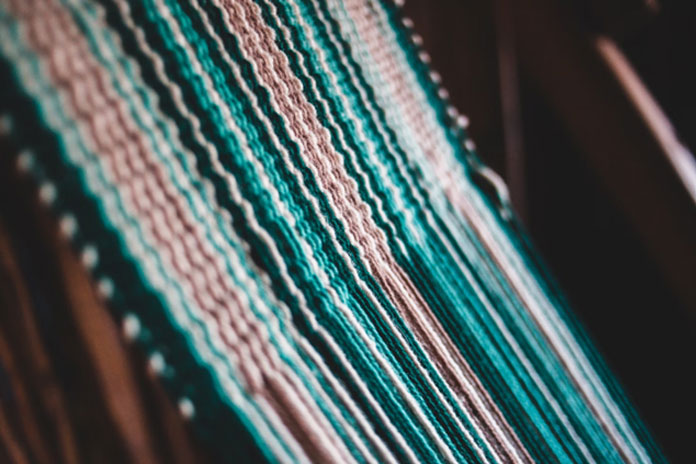
- In this technique, patterns are created on the warp threads (the longitudinal threads on the loom). The warp threads are tied at specific points before the dyeing process.
- Weft Ikat
- In this technique, patterns are created on the weft threads (the transverse threads). After dyeing, the weft threads are used in the weaving process to form the fabric.
- Double Ikat
- The double ikat technique combines warp and weft ikat. This method produces more intricate patterns and requires advanced skill.
The Process of Making Ikat Fabric
- Thread Preparation
- The first step is selecting high-quality threads to be used as the base material. These threads are then stretched on a special tool to facilitate the binding process.
- Binding
- The threads are tied using strings or other materials at specific points to create the desired patterns. This process requires precision to ensure the resulting patterns match the design.
- Dyeing
- The bound threads are dipped into dye. Natural dyes are often used to create long-lasting and environmentally friendly colors.
- Weaving
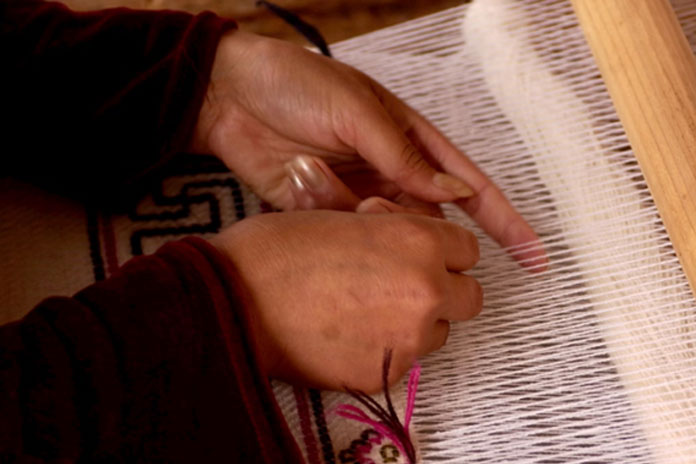
- After the dyeing process is complete, the threads are released from their bindings and arranged on the loom to be woven into fabric.
- Finishing
- The completed fabric is inspected for quality, then cut and sewn as needed.
The Uniqueness and Philosophical Value of Ikat Weaving
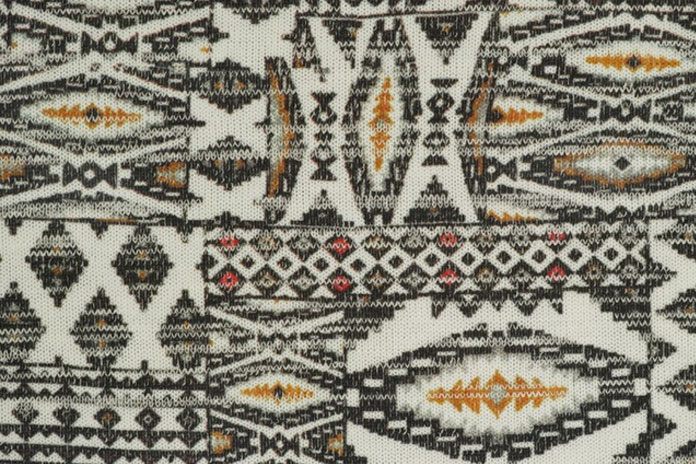
Each piece of ikat fabric carries a deep story and philosophical meaning. The motifs used often reflect the beliefs, traditions, and way of life of the local community.
For example, flora and fauna motifs symbolize the relationship between humans and nature, while geometric motifs often represent harmony and balance.
The Role of Ikat Weaving in Preserving Culture
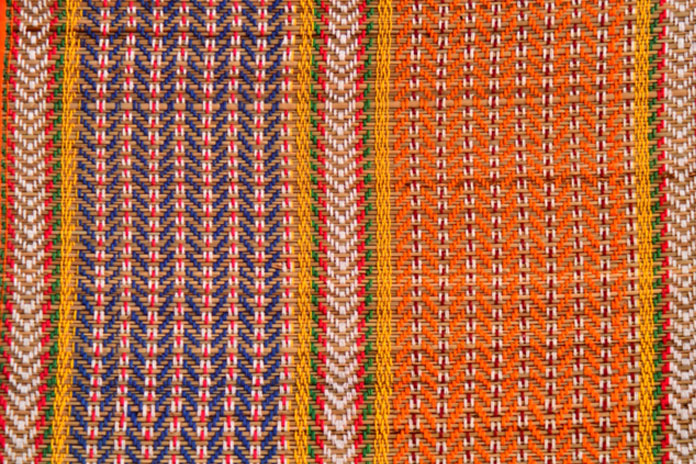
The ikat weaving technique is not only a means of creating beautiful fabrics but also a symbol of cultural preservation. Many communities in Indonesia, such as those in East Nusa Tenggara, Bali, and Kalimantan, consider ikat weaving a part of their cultural identity.
Traditional weaving houses often serve as places to teach this technique to the younger generation, ensuring that the tradition remains alive.
Challenges and Hopes
Although ikat weaving holds significant cultural value, artisans face various challenges, such as:
- Difficulty in obtaining high-quality raw materials.
- Competition with cheaper factory-made fabrics.
- Lack of interest among the younger generation in learning this technique.
However, with increasing awareness of the importance of cultural preservation and sustainability, many parties are beginning to support the development of ikat weaving through training programs, marketing, and collaborations with modern designers.
The ikat weaving technique is one of Indonesia's cultural heritages that must be protected and preserved. The beauty and philosophical values embedded in each piece of fabric make ikat weaving more than just a textile product—it is a story, a tradition, and an identity.
By supporting local artisans and introducing ikat weaving to the international stage, we contribute to safeguarding this invaluable cultural heritage. Let us preserve the art of ikat weaving, as every pattern has a story waiting to be told!
For those interested in natural products and wanting to learn more about the craft of woven fibers, visit Magelang Weaving House located at Jl. Raya Bandongan No.Km 7, Jati Lor, Tonoboyo, Kec. Bandongan, Kabupaten Magelang, Jawa Tengah, or contact 0823-1489-2383.
Other Articles:
Traditional Weaving Houses
Educational Weaving Tourism
Ikat Weaving Technique
Natural Fibers for Weaving
Cultural Weaving Tourism
The Process of Making Woven Fabric
The History of Indonesian Woven Fabrics
Traditional Handwoven Fabrics
Regional Weaving Houses
Types of Natural Fibers for Fabrics

