The Process of Making Woven Fabric
Woven fabric is one of Indonesia's cultural heritages, possessing high aesthetic value and profound philosophical meaning. Its production process involves traditional techniques passed down through generations. In this article, we will discuss in detail the stages involved in the process of making woven fabric.
1. Selection of Raw Materials
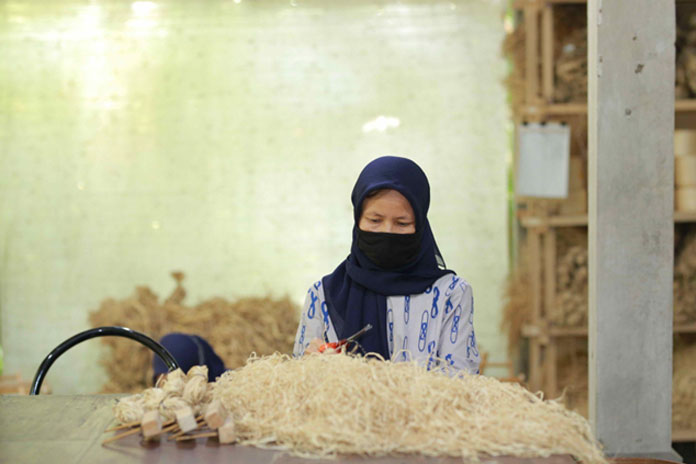
The process of making woven fabric begins with the selection of high-quality raw materials. Typically, woven fabrics are made from natural fibers such as:
- Cotton: Used to produce soft and fine threads.
- Silk: Results in a shiny and luxurious fabric.
- Ramie or Pineapple Fiber: Used to create stiffer yet durable fabrics.
- Bamboo Fiber: A modern, eco-friendly option that is soft to the touch.
Once the raw materials are selected, the fibers are processed into threads through spinning techniques.
2. Thread Dyeing
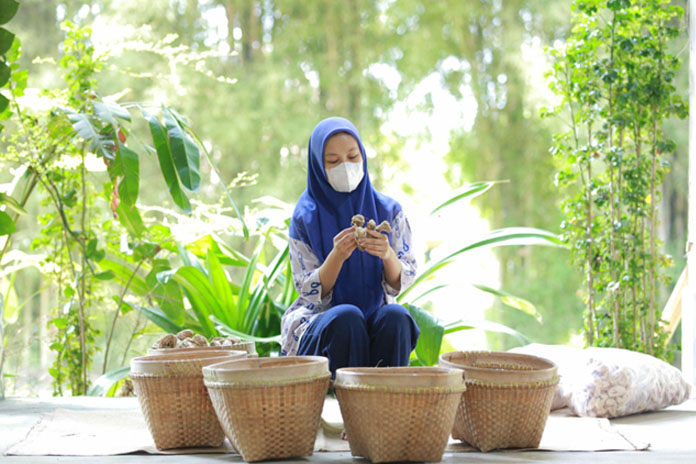
The next step is thread dyeing, which plays a crucial role in creating the distinctive motifs and colors of woven fabric. Dyeing can be done using:
- Natural Dyes: Derived from plants, such as indigo leaves for blue, tree bark for brown, and turmeric for yellow.
- Synthetic Dyes: Offer a wider range of colors and greater durability.
The dyeing process involves soaking the threads in dye solutions, followed by drying under the sun. In ikat weaving, the threads are tied beforehand to form patterns before dyeing.
3. Preparation of the Loom

After the threads are ready, the next step is preparing the loom. Traditional looms commonly used in Indonesia include:
- Non-Machine Looms (ATBM): Operated manually, requiring high skill.
- Gedogan: A simple loom typically used in artisans' homes.
The threads are then arranged on the loom to begin the weaving process.
4. Weaving the Fabric

Weaving is the core of the fabric-making process. At this stage, the weft (horizontal) and warp (vertical) threads are interlaced using the loom. The techniques used vary depending on the type of fabric being produced, such as:
- Ikat Weaving: Patterns are created by tying the threads before dyeing.
- Songket : Incorporates gold or silver threads to create luxurious patterns.
- Do’bi Weaving: Patterns are formed directly during the weaving process using specific weaving variations.
This process requires high concentration and specialized skills, as even a small mistake can ruin the fabric's motif.
5. Finishing

Once the fabric is woven, the final step is the finishing process. This includes:
- Washing: To remove excess dye and soften the fabric.
- Trimming Threads: Ensuring no loose threads remain.
- Ironing: To make the fabric look neat and ready for use.
Some woven fabrics are also given additional touches, such as embroidery or decorative applications, to enhance their aesthetic value.
Philosophical Meaning in the Weaving Process
The process of making woven fabric is not just about producing cloth; it also reflects life values, such as:
- Patience: It takes days or even weeks to complete a single piece of woven fabric.
- Diligence: Each thread is carefully arranged to create beautiful motifs.
- Togetherness: Many artisan communities work together to keep this tradition alive.
The Importance of Preserving Woven Fabric
As part of cultural heritage, woven fabric must be preserved. One effort to achieve this is through educational tourism at places like Rumah Tenun Magelang, which not only produces high-quality woven fabrics but also provides visitors with firsthand experiences to observe and try the weaving process.
This way, the tradition can continue to be appreciated and recognized by future generations. Woven fabric is the result of hard work, creativity, and love for culture. By appreciating its production process, we contribute to safeguarding this invaluable heritage.
For those interested in natural products and wanting to learn more about the craft of woven fibers, visit Magelang Weaving House located at Jl. Raya Bandongan No.Km 7, Jati Lor, Tonoboyo, Kec. Bandongan, Kabupaten Magelang, Jawa Tengah, or contact 0823-1489-2383.
Other Articles:
Traditional Weaving Houses
Educational Weaving Tourism
Ikat Weaving Technique
Natural Fibers for Weaving
Cultural Weaving Tourism
The Process of Making Woven Fabric
The History of Indonesian Woven Fabrics
Traditional Handwoven Fabrics
Regional Weaving Houses
Types of Natural Fibers for Fabrics

Address
Jl. Raya Bandongan No.Km 7, Jati Lor, Tonoboyo, Kec. Bandongan, Kabupaten Magelang, Jawa Tengah 56151
rumah.tenun.magelang@gmail.com
